




Getting mobility aids in Germany as a Ukrainian refugee involves understanding your legal status, preparing key documents, and navigating the application process for social benefits. This guide offers clear steps to help you access the support you need under Germany’s Bürgergeld system with confidence.
Eligibility Requirements and Legal Status for Ukrainian Refugees
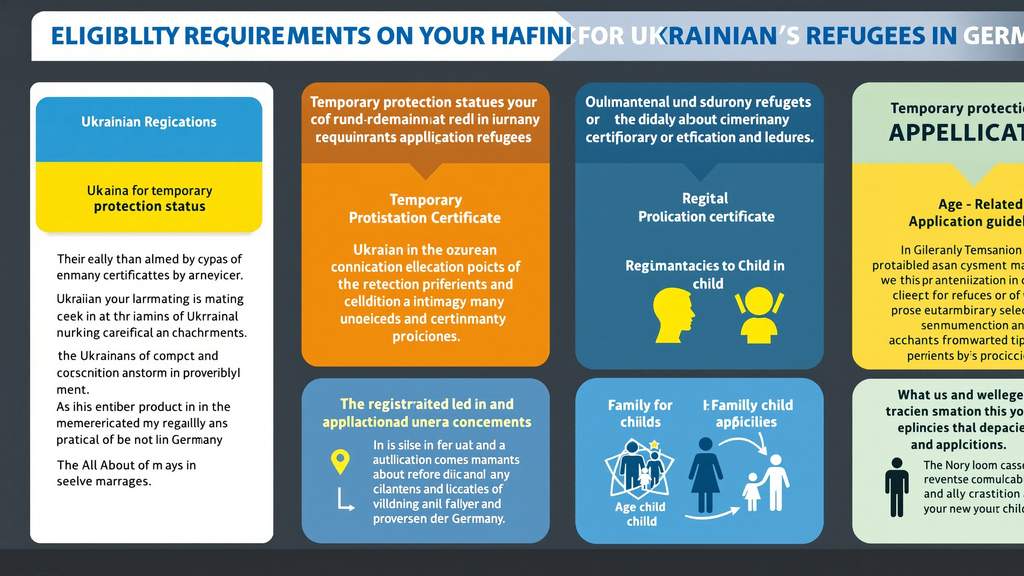
To qualify for mobility aids and related social benefits in Germany, you must have temporary protection status according to § 24 of the Residence Act (AufenthG). This status is the foundation that allows Ukrainian refugees to access benefits and services similarly to German citizens.
First, you need to register with local authorities (Anmeldung) and receive a refugee registration certificate such as the Anmeldebescheinigung or Fiktionsbescheinigung. This registration is essential to start any application process.
Applications for social benefits must be made within specific timeframes after arrival, so timely action is critical. Adults aged 18 and over can apply independently, while minors need a guardian to apply on their behalf.
Your ability to work also affects benefit eligibility; those authorized to work may have different application paths. Special consideration applies to families with children and to pregnant women, who may receive additional support under the system.

Documents and Preparation for Your First Jobcenter Visit
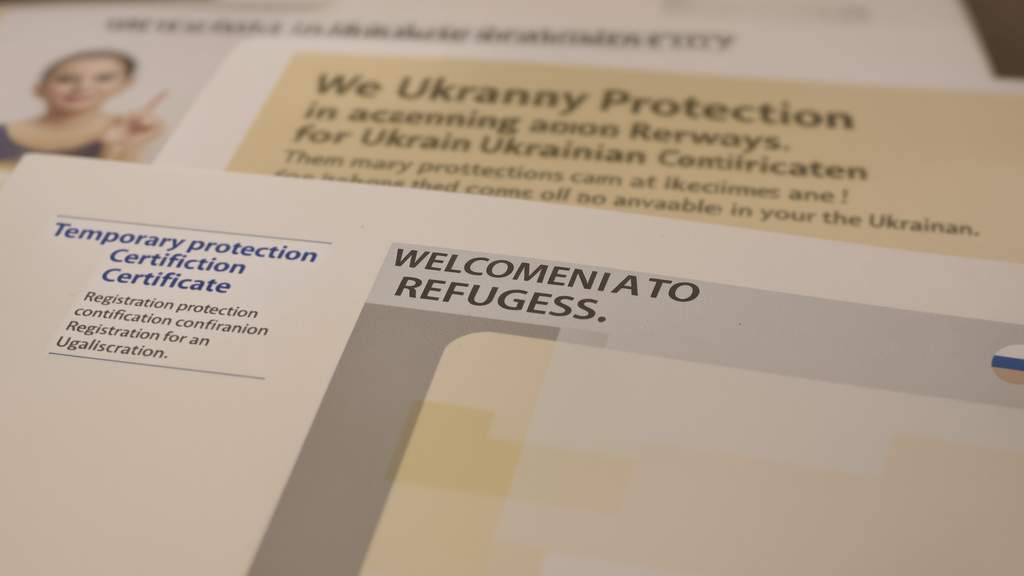
Before attending your first appointment at the Jobcenter, gather all necessary documents to avoid delays. Essentials include your passport, temporary protection certificate, and proof of registration (Anmeldebescheinigung).
Having a German bank account with an IBAN is important because benefit payments are transferred there. If you do not yet have a bank account, you may still apply but should clarify alternatives with the Jobcenter.
Bring housing documentation—such as a rental agreement or confirmation of temporary accommodation—and medical documents if relevant, including pregnancy or disability certificates.
If your documents are not in German, official translations will be required. If applying for work-related benefits, include previous employment records and qualifications. Additionally, family documents like marriage and birth certificates are necessary to process family-related claims.
Bürgergeld Application Process and Benefit Amounts
Start by scheduling an initial appointment with your local Jobcenter, where you’ll submit your documents and complete your application. The Bürgergeld system replaced previous benefits and offers improved financial support.
For 2024, the standard monthly Bürgergeld rates are €502 for single adults and €451 for partners. Children receive allowances depending on their age. In addition to the monthly payment, you may receive housing cost coverage and allowances for heating, plus one-time support for items like furniture for new apartments.
Certain special needs qualify for additional supplements, such as dietary requirements and disability-related expenses. Expect processing to take around 4–6 weeks, though interim payments can help during this period.
If your application is denied or the benefits are insufficient, you can file a Widerspruch (appeal) to request review and reconsideration.
Ongoing Obligations and Integration Support Services
Once you receive benefits, you’ll need to report regularly on your job search, income changes, and other relevant updates. You’ll also be expected to participate in integration courses, including German language and orientation classes, designed to help you settle and find work.
The Jobcenter will arrange an Eingliederungsvereinbarung, or integration agreement, outlining your mutual obligations, such as attending job application workshops or employment programs.
Health insurance registration through the Jobcenter is mandatory for all benefit recipients. Families should also consider applying for child benefits (Kindergeld), which coordinate with Bürgergeld payments.
If you or your family members are students, explore educational supports like BAföG or vocational training allowances to assist in your development.
Think ahead: the temporary protection status is a starting point, and moving toward permanent residency and stable employment is part of the integration journey.
For more detailed steps and insights, check our comprehensive guide for Ukrainian refugees.