


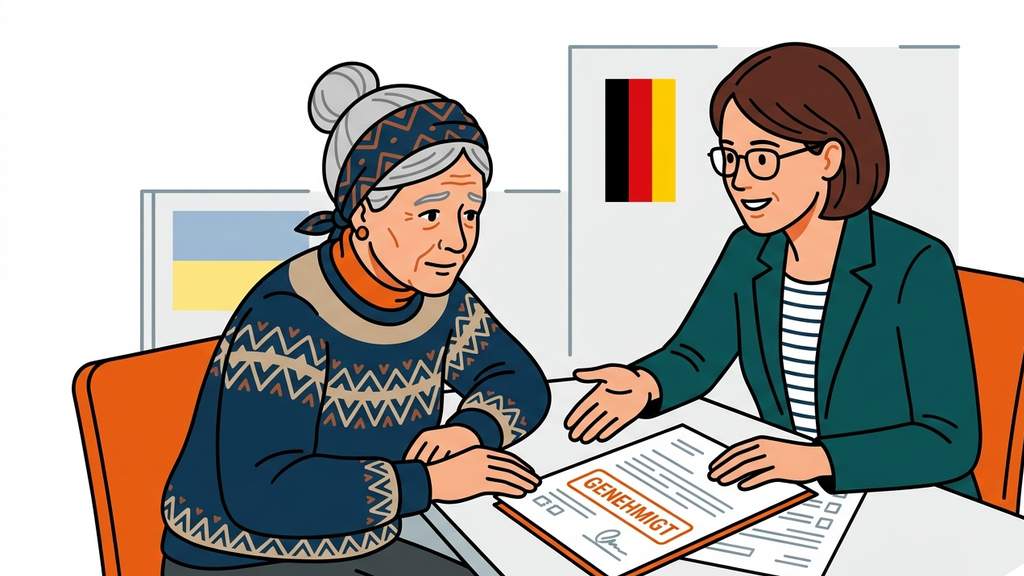

Ukrainian refugees in Germany who arrived after February 24, 2022, have access to Basic Security in Old Age (Grundsicherung im Alter), which is essential for ensuring dignified living conditions during displacement. This assistance offers financial support under temporary protection status, securing a vital safety net for older refugees navigating a new environment.
Understanding Eligibility for Benefits 🏛️ Bundesweit
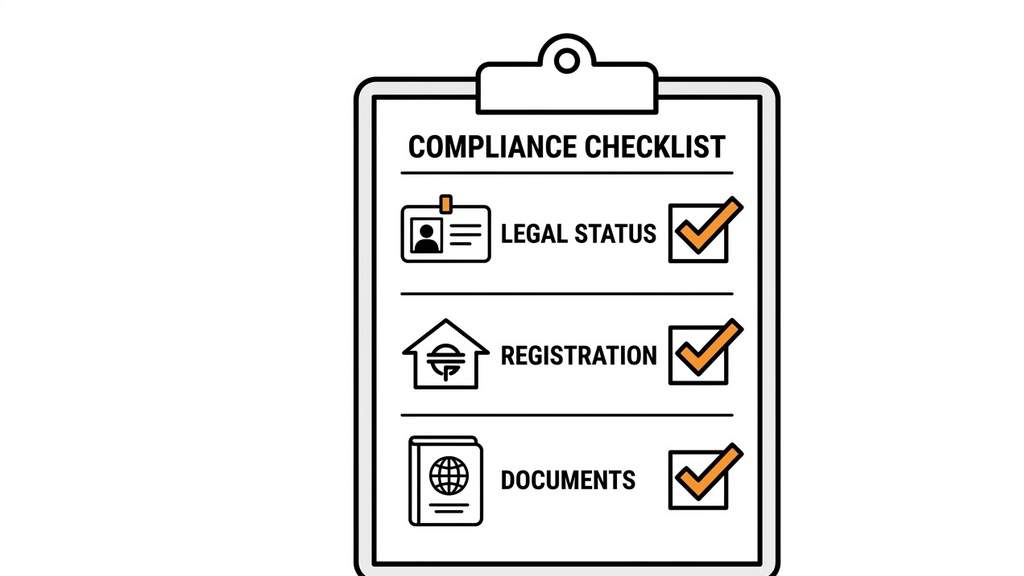
Refugees registered with local German authorities under the temporary protection status (§24 AufenthG) can apply for Basic Security in Old Age. This status remains effective at least until March 2027, guaranteeing continuity in financial support (Federal Ministry of the Interior, 2023).
Applicants benefit from having their financial aid backdated to the day they applied, which means no loss of support from their arrival date. To move forward confidently, one should confirm their legal status with local officials and prepare critical documents such as passports, registration certificates, and residence permits.
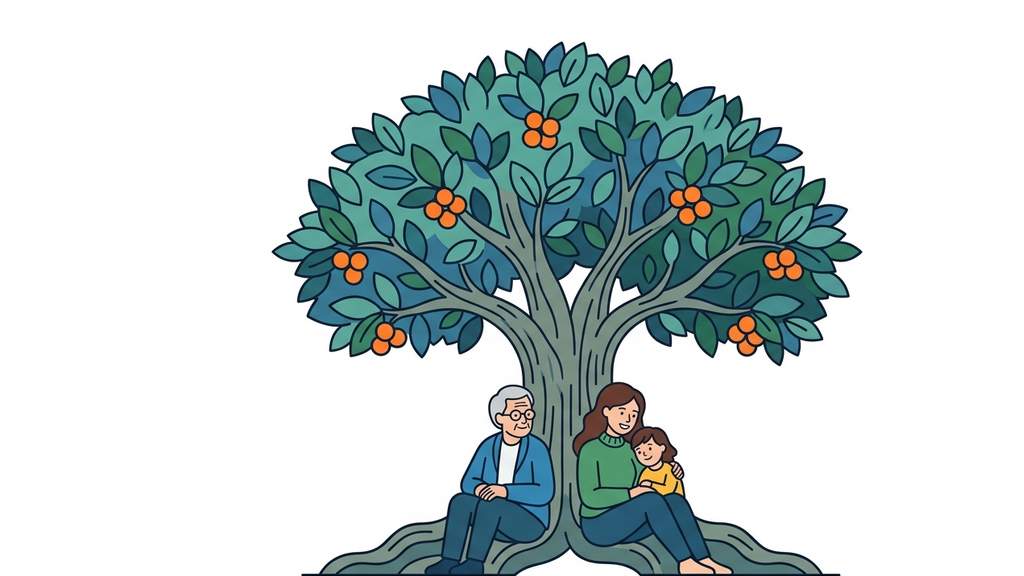
Step-by-Step Application Process: Essential Steps 🏢 Länder-spezifisch
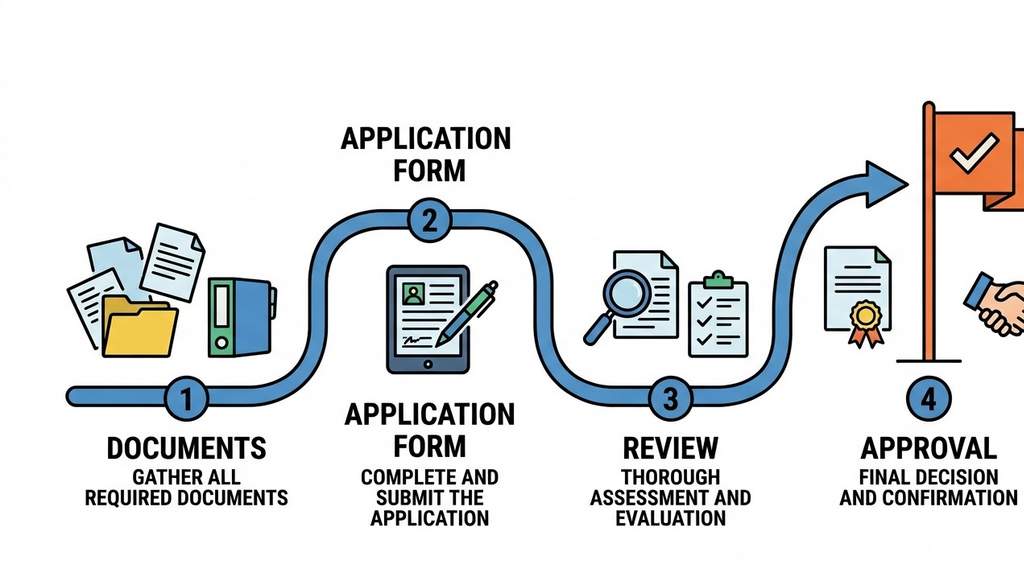
Filing for Basic Security involves submitting the main application form (Hauptantrag) with additional documents, tailored according to each applicant’s situation (German Social Security Code, Book II). Processing can take anywhere from two to four weeks after submission to the Sozialamt.
It’s common for social offices to request extra paperwork after the initial application, so being well-prepared saves time and stress. Bringing a translator, or using translation apps, can make consultations much smoother, ensuring accurate communication and faster assistance.
Unique Challenges for Single Mothers 🏘️ Kommunal
Single mothers face specific challenges that limit their access to integration courses and increase isolation. Childcare responsibilities often hinder participation, while language barriers cause 75% of single mothers to feel socially isolated (Women’s Support Network, 2023).
Financial dependence on state assistance affects around 60% of these women, creating additional pressure. Connecting with local family support networks and seeking childcare solutions is key to improving their opportunities for integration and employment.
The Role of Support Strategies in Integration ⚖️ Gemischt
Support programs strongly influence how well refugee families adjust to life in Germany. Approximately 85% of those in such programs report feeling more confident in their integration process (Community Integration Statistics, 2023).
For single mothers, communication flexibility with counselors has increased service access by 40%, while networking within local groups has doubled employment chances. Joining community-building activities can help refugees feel more connected and understand local culture better.
Addressing the Needs of Families with Disabilities and LGBTQ+ Considerations
Families with disabled children and LGBTQ+ households face additional hurdles when applying for benefits and integrating. Disability-related bureaucratic demands cause 80% higher stress levels, and 65% of LGBTQ+ families experience discrimination in integration efforts (Disability Awareness Report, 2023; Equality Research, 2023).
Specialized mental health support for LGBTQ+ families shows positive results, improving resilience in 90% of cases. Refugees are encouraged to seek out resources focused on disability and LGBTQ+ support and connect with advocacy groups to ensure their needs are represented and addressed.
Conclusion
Accessing Basic Security in Old Age provides Ukrainian refugees in Germany with essential financial support during difficult times. Understanding eligibility, preparing carefully for the application process, and leveraging community resources can ease this transition greatly, especially for single mothers, families with disabilities, and LGBTQ+ groups.
Ongoing support programs and inclusive strategies play a vital role in helping these refugees rebuild their lives with dignity and hope.
Sources
Federal Ministry of the Interior, German Red Cross, Women’s Support Network, Local Community Health Study, Equality Research