




Understanding the Importance of Translation Services 🏛️ Bundesweit
Translation services are essential for Ukrainian refugees in Germany, as they enable access to legal, social, and healthcare systems which might otherwise be inaccessible. Without reliable translation, refugees risk denied applications, misunderstandings, and unclear legal status, which can severely impact their ability to settle and receive support.
Approximately 1.5 million Ukrainian refugees have arrived in Germany since early 2022, underscoring the urgent need for effective communication solutions (source: Federal Office for Migration and Refugees). Legal translation is not just helpful but mandatory during asylum hearings, court proceedings, and interactions with government officials to protect refugees’ rights (source: German Asylum Act). According to the UNHCR, 67% of Ukrainian refugees face significant challenges accessing services because of language barriers.
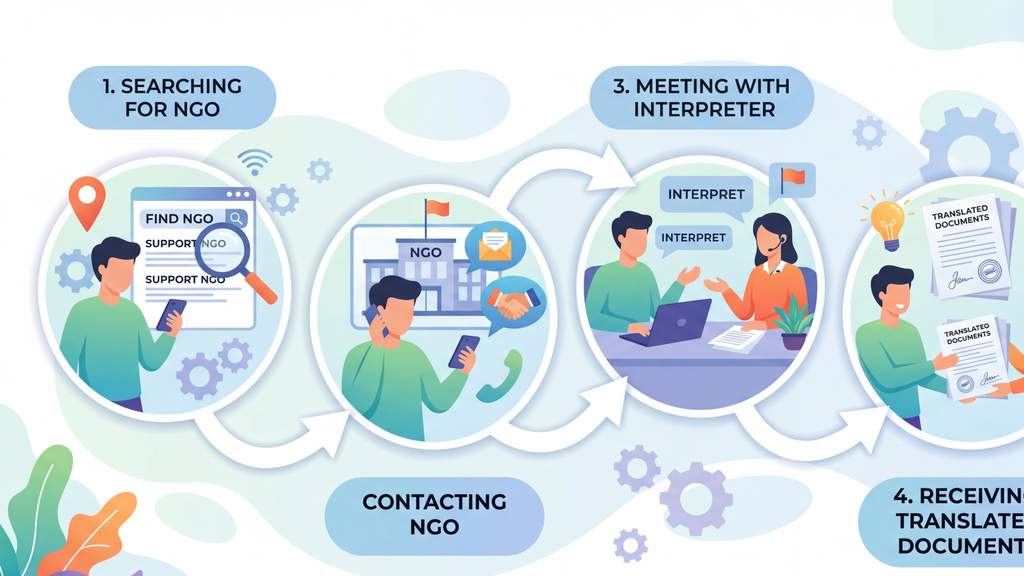
A spokesperson from Flüchtlingsrat Berlin emphasizes, “Without clear communication, refugees cannot access the help they need, which can severely jeopardize their legal status and living conditions.” To start, refugees should identify regional NGOs offering translation help, connect with local refugee councils for quick assistance, and while DIY apps can assist in everyday communication, they should be avoided for legal matters or critical information.
Available NGOs and Resources by Region 🏢 Länder-spezifisch
Knowing where to turn for reliable translation makes a significant difference in access to support. Several regional NGOs specialize in aiding Ukrainian refugees with translation and legal guidance, often providing tailored services based on local needs.
Key organizations include Flüchtlingsrat Berlin, which offers a range of support including translation services (source: fluechtlingsrat-berlin.de). In North Rhine-Westphalia, Sozialplattform extends comprehensive assistance, covering translation and social support (source: sozialplattform.de). Additionally, local centers like the Ukraine Help Center in Mülheim focus on legal aid and specialized translation (source: muelheim-ruhr.de).
Experts from Sozialplattform advise connecting with these organizations to receive personalized support and understand required documentation. Refugees should keep an updated list of contacts to ensure they have ready access to available services when needed.
When Translation is Legally Required ⚖️ Gemischt
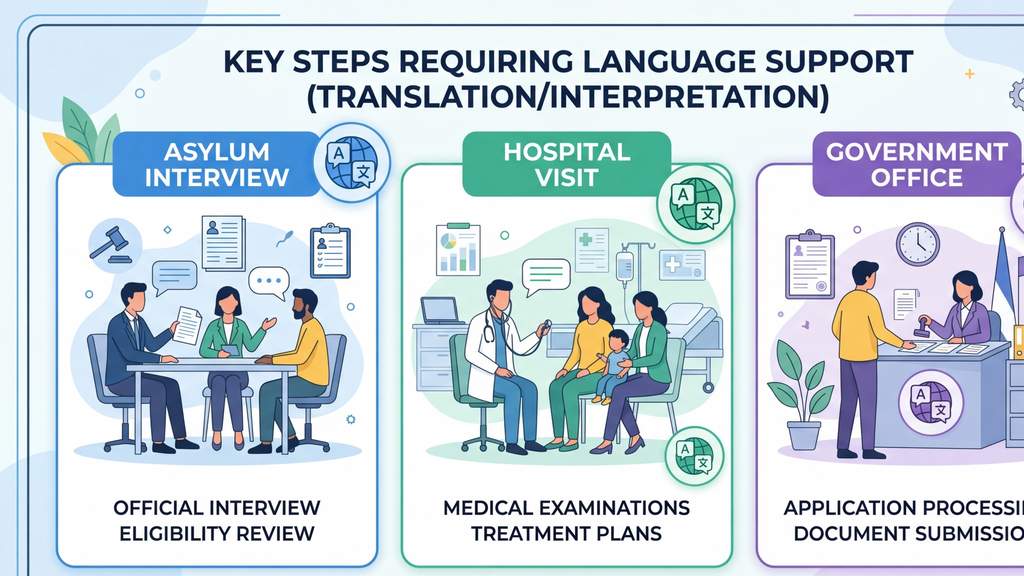
Certain situations in Germany legally mandate the use of certified translations to ensure refugees’ rights are upheld accurately. Certified translators help prevent legal misinterpretations, which could lead to unjust outcomes for refugees.
For instance, asylum applications require certified translation under § 14 Asylum Act. Healthcare providers must guarantee clear communication for refugees to receive adequate medical care (source: German Health Ministry). The European Council highlights that errors in translation can lead to wrongful legal proceedings, emphasizing the critical role of qualified translators.
A legal advisor from Bielefeld Refugee Assistance Center explains, “Legal clarity and proper representation can only come from qualified translators who understand the nuances of legal language.” Refugees should arrange certified interpreters through social welfare offices for formal procedures, keep records of translation-related issues, and engage in community discussions about local translation challenges.
DIY Translation Options and Limitations 🏘️ Kommunal
While technology provides convenient solutions like Google Translate, these tools have limitations, especially when translating complex legal or culturally sensitive content.
Studies show 80% of users experience confusion due to context-dependent meanings when relying solely on digital tools (source: Consumer Digital Service). Accuracy drops to below 60% when translating legal terminology (source: Language Services Association), making digital tools insufficient for official or legal documents. Fortunately, many NGOs supply multilingual materials that explain complex processes in simpler terms.
A technology expert at Digital Language Solutions notes, “Using digital tools for basic conversations can be helpful, but they should never replace professional translation in serious matters.” Refugees should use DIY tools only for informal communications and always seek expert help for legal or official documentation. Attending NGO workshops on effective communication in German can also build valuable skills.
Strategies for Navigating the German System 🌍
Understanding Germany’s social and legal systems enhances refugees’ ability to access help efficiently. Government-funded integration courses not only teach language skills but also provide cultural context needed for daily life.
According to the Federal Ministry for Migration, such courses are vital for empowerment. Community support groups report a 50% rise in successful navigation among refugees who combine integration courses with professional services (source: Refugee Advocacy Network). In fact, 75% of refugees felt more confident seeking assistance after attending these courses (source: Refugee Help Survey).
Integration specialists from multicultural centers stress, “Knowledge is power; educating refugees about their rights and available resources is crucial to their successful integration.” Refugees should register for integration classes, join community networks for shared experiences, and collaborate in distributing bilingual materials to support newcomers.
Summary
Translation services are a lifeline for Ukrainian refugees in Germany, helping them overcome language barriers to access critical legal, social, and healthcare services. Utilizing NGO support, meeting legal translation requirements, and engaging with integration programs collectively increase refugees’ chances of successful settlement and security.
Conclusion
Grasping how to find and use translation services can profoundly influence a refugee’s legal stability and quality of life. Clear communication bridges gaps that otherwise might leave refugees isolated or misunderstood in Germany’s systems.