




Germany has established comprehensive financial assistance and benefit programs to support Ukrainian refugees, aiding their transition and daily living. Understanding how to access these supports is vital for effective adaptation and stability within the country.
Overview of Financial Assistance Available in Germany
The German government provides various forms of financial assistance designed to offer immediate relief and help refugees settle. In 2022, around 200,000 Ukrainian refugees received financial support, highlighting the scale of aid available. Basic financial support for asylum seekers is set at €445 per month for single adults, while vulnerable groups like families with children may receive up to €600 monthly to meet their needs.
Registering at your local municipality is the essential first step to access social services. Prepare your identification documents and proof of residency beforehand to facilitate smooth applications. NGOs also play a crucial role by offering guidance throughout the application process, helping refugees navigate the system effectively.

Dr. Klaus Müller, a refugee assistance expert, notes that Germany has made significant progress in supporting refugees, though understanding the benefits can be confusing for newcomers. Being informed and proactive can make the application and reception of financial support much easier.
Understanding the Jobcenter
The Jobcenter is a vital institution for refugees seeking employment support and benefits in Germany. Processing over 300,000 refugee applications in 2022 alone, it plays a key role in economic integration. However, many refugees—about 55%—face language barriers that hinder access, and waiting times for initial consultations typically range from four to six weeks.
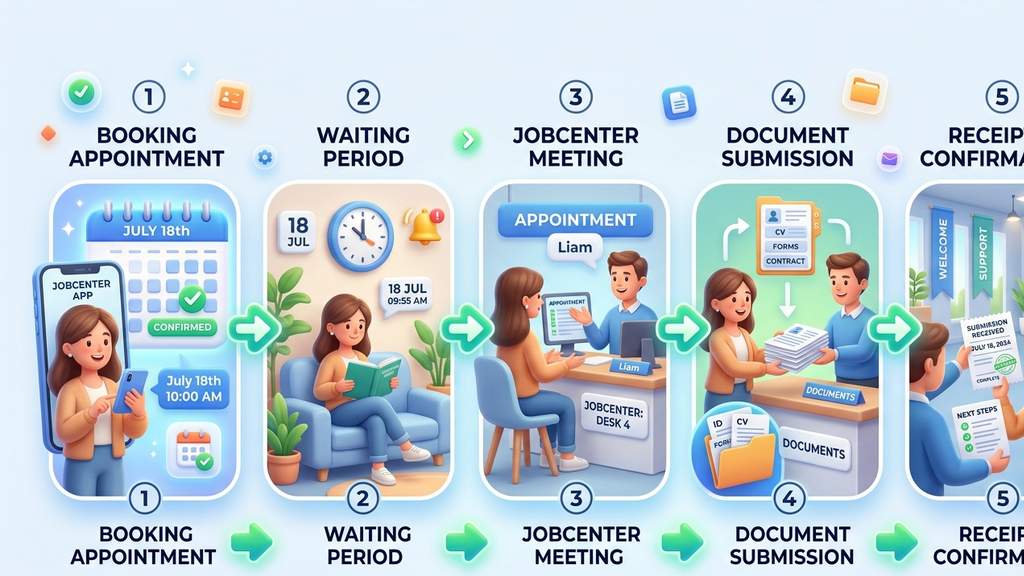
To make the most of Jobcenter services, schedule an appointment promptly and bring essential documents, including a summary of your professional background and employment history. Utilizing interpreter services or language support during appointments can ease communication challenges and improve service outcomes.
Pia Schneider, coordinator for employment services, emphasizes that efficient access to the Jobcenter can significantly reduce financial pressures for refugees adapting to a new environment. Understanding how the Jobcenter operates and preparing adequately can accelerate this support.
Accessing Social Benefits
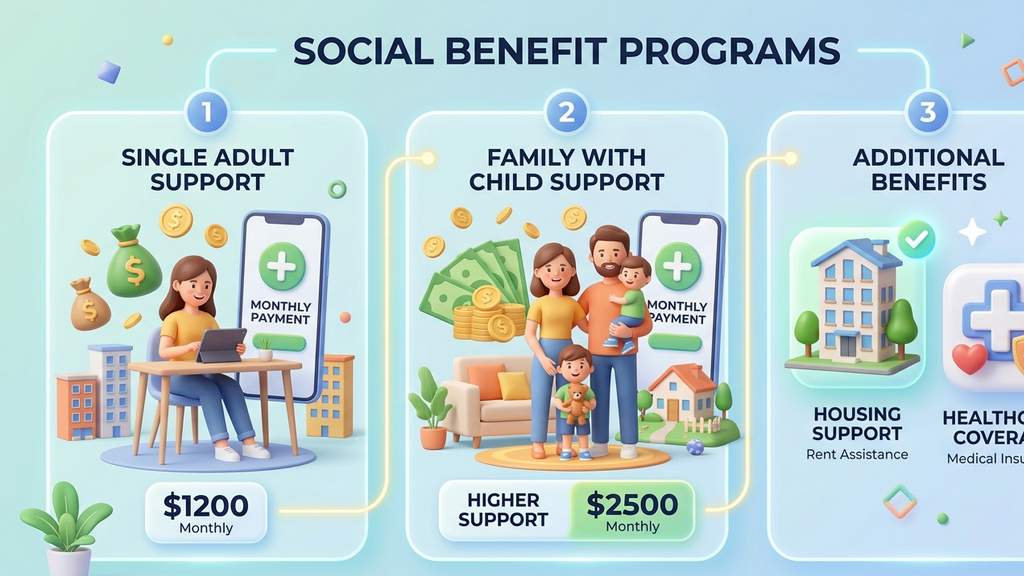
Refugees must understand eligibility requirements to benefit from Germany’s extensive social benefit system. Typically, staying in the country for more than three months qualifies an individual for social security benefits. There are over 30 types of benefits, including housing assistance, health insurance, and family allowances, though roughly 40% of refugees remain unaware of their entitlements.
Check the Jobcenter website to identify specific benefits you may be eligible for and gather documents such as your residency permit and proof of income to complete applications. Connecting with local NGOs can provide valuable help in understanding and successfully applying for benefits.
According to Helen Fischer, a social rights advocate, knowing about available benefits is crucial for refugees to avoid unnecessary financial hardship and to improve their living conditions in Germany.
Challenges Faced by Refugees with Chronic Illnesses
Ukrainian refugees with chronic illnesses or invisible disabilities face unique obstacles that require specialized attention. Studies show 30% report health issues worsened by living conditions, while 70% experience problems obtaining necessary medications. Over half struggle to access adequate healthcare services consistently.
Key challenges include skepticism from service providers regarding invisible disabilities, lack of rest facilities in accommodation centers, inadequate food suitable for medical needs, and insufficient temperature control. Advocates recommend documentation of conditions, communication with healthcare providers ahead of visits, and seeking local support groups focused on chronic illness advocacy.
Counselors at Jobcenters can make a significant difference by validating invisible disabilities with sensitivity, allowing flexible appointment scheduling, creating rest opportunities during appointments, and connecting refugees with specialized resources. Tailored support helps reduce these barriers and ensures refugees receive proper care.
Legal Rights and Protections in Employment Contracts
Understanding employment rights is critical for refugees to protect themselves from workplace exploitation. Germany enforces a minimum wage of €12.41 per hour, but as many as 40% of refugees report being offered pay below this threshold. Additionally, workers have the right to a written contract within a month of starting any job.
Always demand a written contract before commencing work and review it carefully. Seek advice from organizations specializing in labor rights if unsure or facing unfair conditions. Raising awareness about labor laws within refugee communities encourages collective empowerment and protection.
Additional Resources
Extensive resources are available to assist refugees through NGOs such as the Red Cross and Caritas, which provide support across various needs. Local community centers often host support groups and information sessions tailored to refugee needs. Online platforms like Integrierte Flüchtlingshilfe curate directories of services available nationwide.
Engaging with community resources helps refugees build support networks and access timely assistance. Attending meetings and workshops also facilitates knowledge sharing and fosters solidarity, enabling individuals to better navigate their new environments.
Sources:
bamf.de, arbeitsagentur.de, bmas.de, who.int, fluechtlingsrat.de