


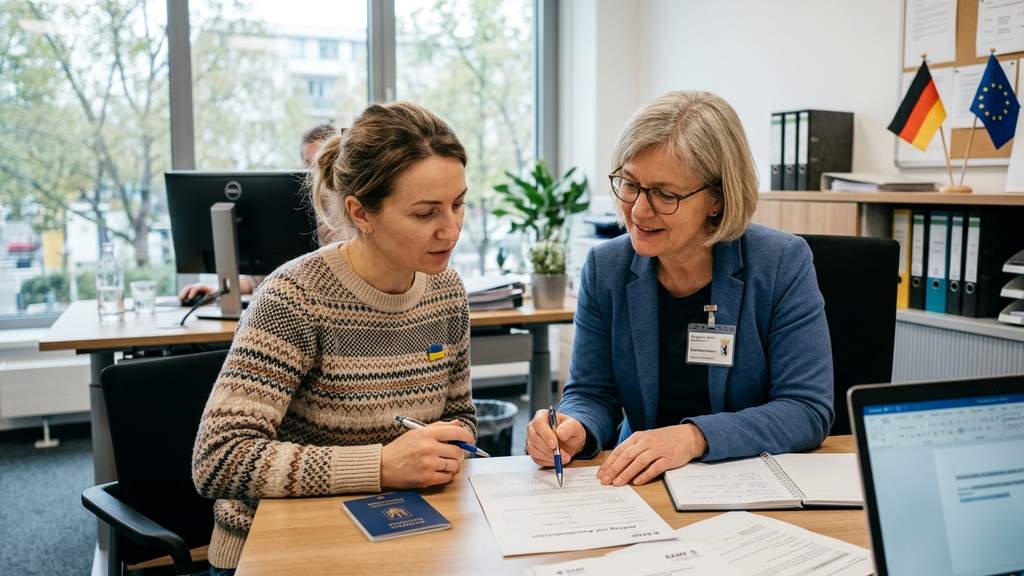

Germany offers a comprehensive range of financial assistance and benefits specifically aimed at supporting Ukrainian refugees as they settle into their new environment. These programs provide crucial support systems, helping refugees secure basic living needs, access employment opportunities, and navigate social services effectively.
Overview of Financial Assistance Available in Germany
In 2022, roughly 200,000 Ukrainian refugees received financial aid from the German government, reflecting a strong commitment to humanitarian support. Single adult asylum seekers typically receive a basic allowance of €445 per month, which increases to about €600 monthly for vulnerable groups such as families with children, providing a safety net that helps refugees begin rebuilding their lives.
This financial assistance plays a critical role in helping refugees meet essential needs such as housing, food, and healthcare. To apply, registering at the local municipality is essential, along with preparing identification and proof of residency. Non-governmental organizations (NGOs) can offer valuable guidance throughout this process, reducing confusion and facilitating access to benefits.
Understanding the Jobcenter
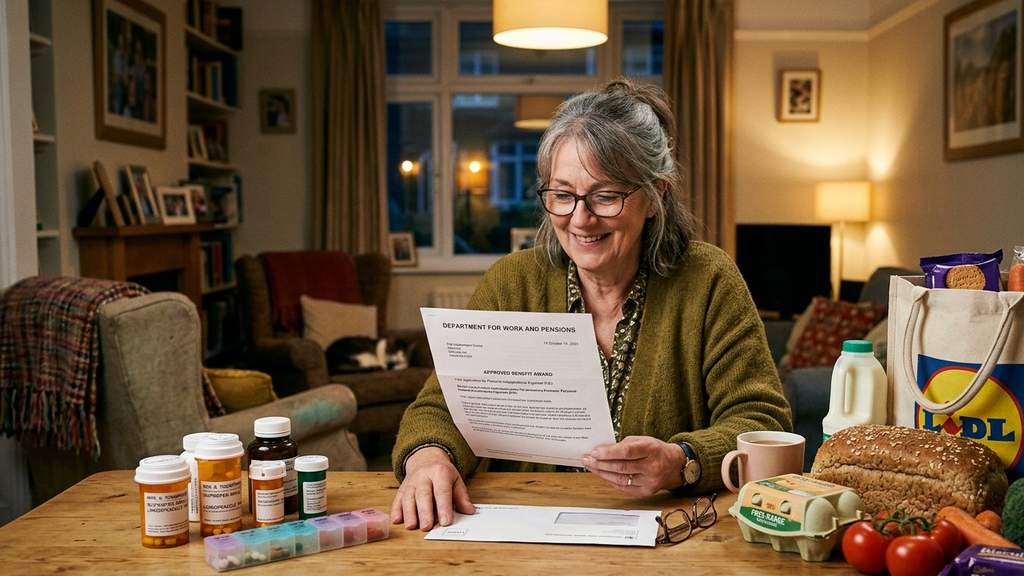
The Jobcenter is a key institution in Germany that processes employment and benefit applications, handling over 300,000 refugee cases in 2022. While understandable language barriers complicate access for many—reported by 55% of refugees—knowledge of the Jobcenter’s services can significantly reduce economic stress during resettlement.
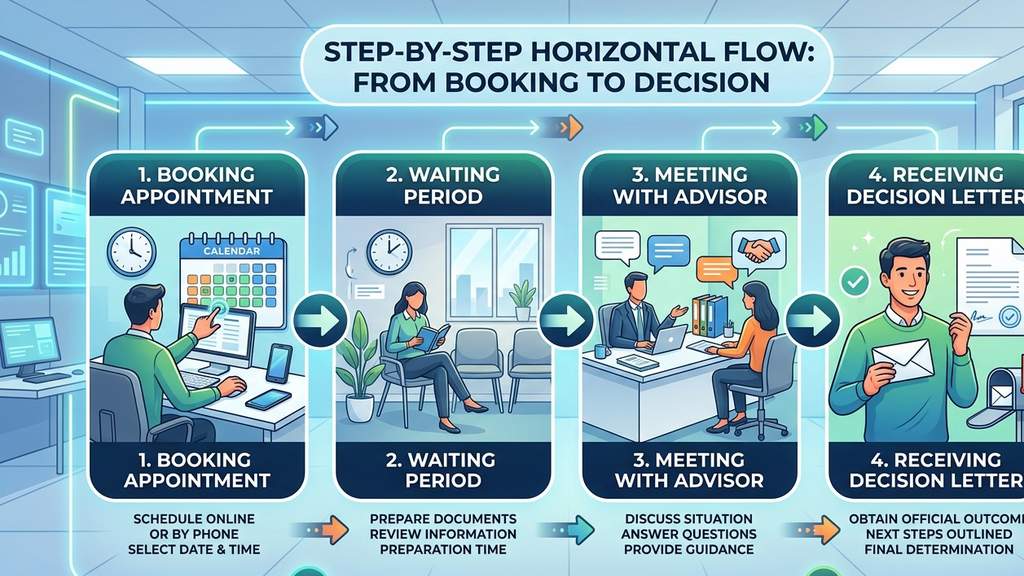
Making an appointment with the local Jobcenter and bringing documents like a professional background summary are crucial first steps. Accessing language support at these appointments also helps ensure clear communication, increasing the chances of successful integration into the workforce and benefit programs.
Accessing Social Benefits
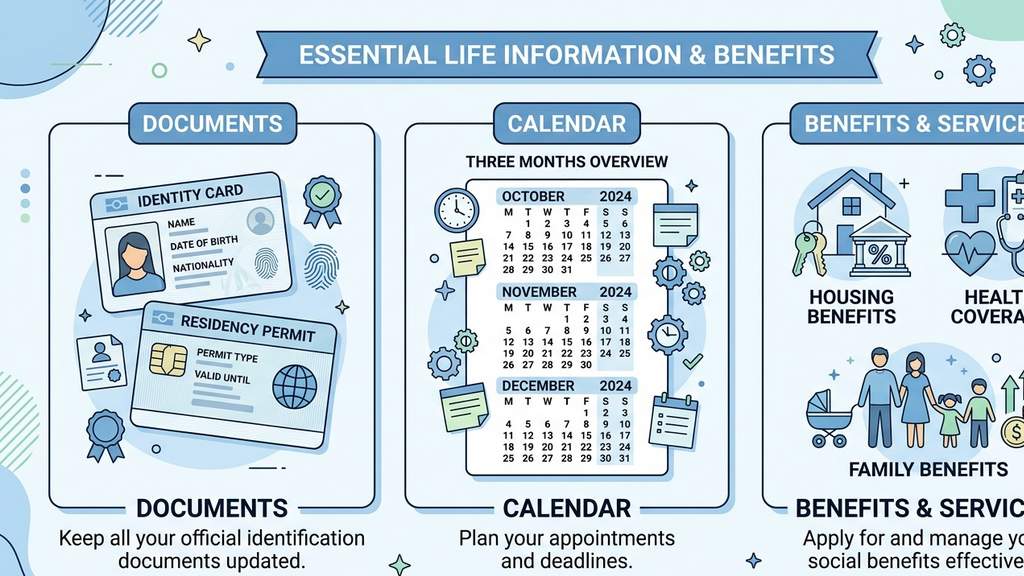
Social benefits in Germany extend beyond financial assistance to include housing help, health insurance, and family allowances, totaling over 30 types of support. Eligibility generally requires a residency period exceeding three months, yet 40% of refugees remain unaware of the benefits they can claim.
Understanding eligibility is essential to securing stable living conditions. Refugees should review available benefits on the Jobcenter website, gather relevant documentation like residency permits and income proofs, and seek assistance from local NGOs to navigate the application procedures efficiently.
Challenges Faced by Refugees with Chronic Illnesses
Approximately 30% of Ukrainian refugees experience chronic health conditions worsened by difficult living environments, with 70% struggling to access necessary medications and over half reporting difficulties gaining medical care. These challenges demand specialized support beyond generic assistance.
Refugees with chronic illnesses benefit greatly from documenting their medical histories and communicating their needs to healthcare providers beforehand. Connecting with local advocacy groups improves access to tailored healthcare accommodations, which are critical for maintaining health and dignity during resettlement.
Legal Rights and Protections in Employment Contracts
Knowing labor laws is vital to prevent exploitation. Germany enforces a minimum wage of €12.41 per hour, yet nearly 40% of refugees report receiving offers below this threshold. Employment contracts must be provided within one month of starting work, ensuring official documentation of terms.
Refugees should always request written contracts and review them thoroughly. Consulting organizations specializing in labor rights helps understand one’s protections and fosters community-wide awareness, empowering refugees to assert their employment rights confidently.
Additional Resources
Numerous NGOs like the Red Cross and Caritas provide critical support for refugees, alongside community centers hosting support groups and workshops. Online platforms offer directories of local resources, making it easier to connect with essential services.
Engaging with these community networks facilitates smoother integration and fosters a sense of solidarity among refugees. Participation in local meetings not only opens access to support but also builds valuable relationships that aid long-term adjustment.
Supporting Refugees with Invisible Disabilities
Women refugees with chronic illnesses and invisible disabilities face unique barriers including skepticism by service providers, inadequate accommodation conditions, and difficulty managing energy limitations during bureaucratic processes. Flexible appointment scheduling and advocacy from counselors who understand invisible conditions are essential.
Documenting health patterns aids medical providers, while support groups provide vital assistance. Flexible integration programs that account for fluctuating health improve participation, and remote learning options help overcome cognitive and energy constraints, addressing critical gaps in the current system.
Conclusion
Germany’s financial assistance and social support systems provide invaluable help for Ukrainian refugees, but maximizing benefits requires understanding and proactive navigation of complex bureaucracies. Specialized support for vulnerable groups, such as those with chronic illnesses, enhances access and ensures dignity.
By preparing thoroughly, utilizing community resources, and asserting legal rights, refugees can more confidently build stable new lives. Continuous improvement of integration efforts remains vital to meet the diverse needs of this population.