




Understanding German work contracts is a crucial step for Ukrainian refugees aiming to build a stable life in Germany. This guide breaks down key aspects of employment and social support designed to help Ukrainians adjust smoothly and confidently to their new environment.
Legal Status and Protection for Ukrainian Refugees in Germany
The Temporary Protection Directive (EU 2022⁄332) has been implemented in Germany to provide immediate legal protection for Ukrainian refugees. This protection comes in the form of a residence permit issued under Section 24 of the Residence Act (Aufenthaltsgesetz), allowing refugees to live and work in Germany without applying for asylum.
Upon arrival, refugees must register at the immigration office (Ausländerbehörde). This registration is essential to receive the temporary protection status, which grants rights such as access to housing, work, and social benefits. Currently, this protection period is extended until March 4, 2025, providing a reliable framework for refugees’ stay in Germany.

Basic Social Benefits: SGB II (Bürgergeld)
Since June 1, 2022, Ukrainian refugees have transitioned from asylum seeker benefits to regular social benefits known as Bürgergeld, which offer more comprehensive financial support. Single adults receive a monthly standard rate of €563, while adult partners get €506. Children’s benefits vary depending on their age.
Bürgergeld also covers reasonable housing costs, including rent and heating, based on local standards. Refugees are integrated into the German health insurance system as part of this process, providing access to medical care and support.
Applications for Bürgergeld are handled by the local Jobcenter. To apply, necessary documents include an ID, residence permit, registration certificate, and bank account details. This system ensures refugees receive steady support to cover living expenses as they settle in Germany.
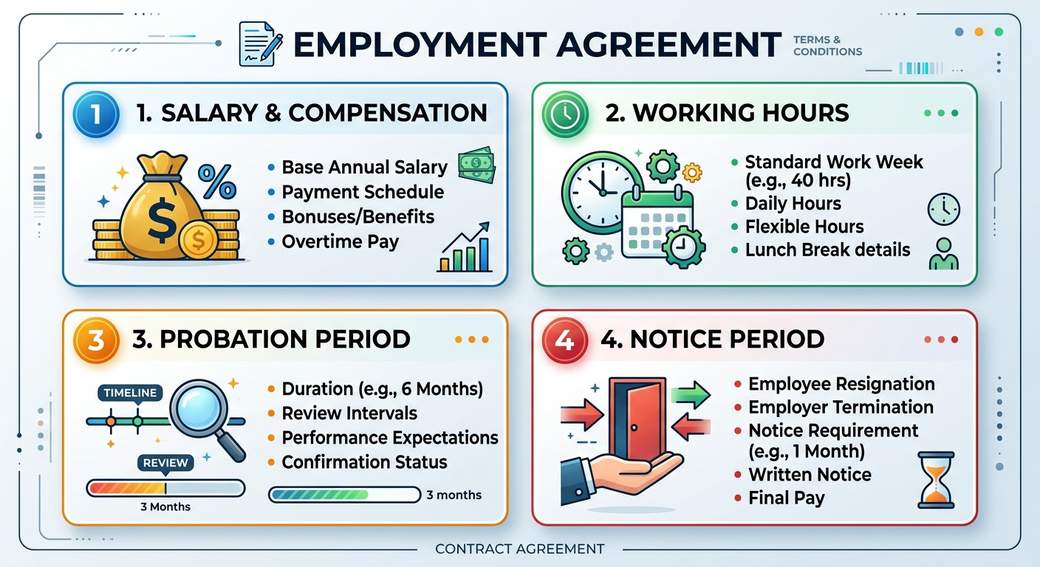
Employment Support and Integration Services
Ukrainian refugees with a residence permit have free access to the German labor market. The Federal Employment Agency (Bundesagentur für Arbeit) plays a key role by offering job placement services tailored to refugees’ skills and qualifications. Recognizing Ukrainian professional certifications helps refugees find suitable employment quickly.
Language skills are supported through free integration and vocational language courses, crucial for effective communication and career growth. Employers can benefit from an integration allowance (Eingliederungszuschuss), incentivizing the hiring of refugees.
By early 2024, around 223,000 Ukrainians were employed in Germany, a number reflecting growing economic participation and successful integration efforts.
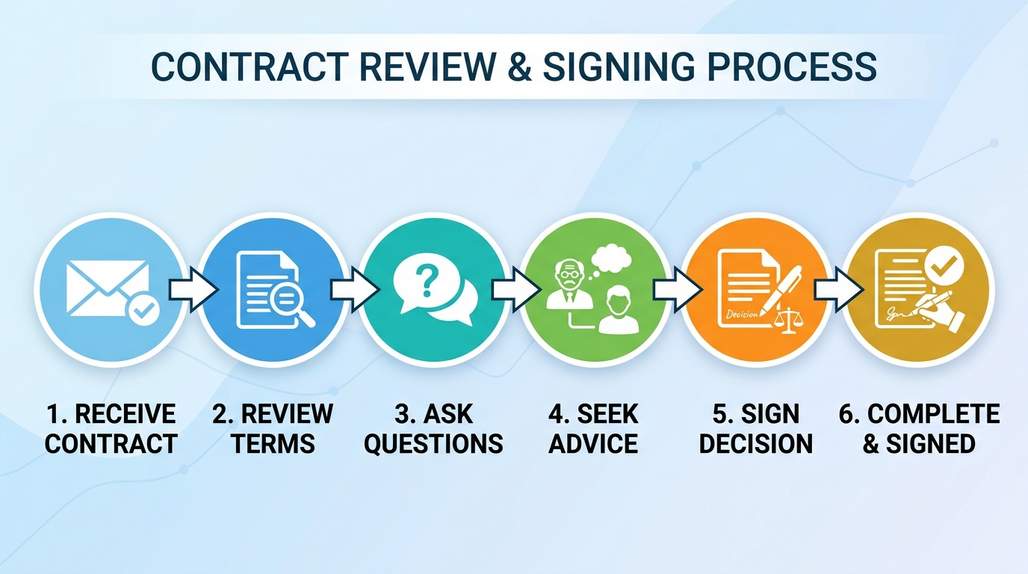
Family Benefits and Child Support
Family support is a vital part of refugee assistance. Child benefits (Kindergeld) are provided at €250 per child each month, irrespective of parental income. Low-income families may also qualify for the child supplement (Kinderzuschlag), which can add up to €250 monthly.
New parents can receive parental allowance (Elterngeld) to help with the costs of raising newborns. The education and participation package helps cover expenses like school supplies, lunch, and class excursions, making education more accessible for refugee children.
All family-related applications are managed by the Family Benefits Office (Familienkasse). It’s important to provide necessary documents such as birth certificates and residence permits when applying.
Healthcare and Special Assistance Programs
Refugees have full access to the German healthcare system through statutory health insurance. This covers doctor visits, hospital stays, medications, and specialist care. Psychological support services are available, addressing trauma-related needs caused by war experiences.
Additional benefits under Social Code Book IX (SGB IX) assist people with disabilities, ensuring they receive tailored support. Long-term care insurance also provides for those requiring ongoing nursing care.
Pregnant women and young mothers receive special maternity benefits, including prenatal care and postnatal support, helping ensure the health of both mother and child during this critical time.
Conclusion
Ukrainian refugees in Germany benefit from a structured legal and social support system designed to ease their integration. Understanding work contracts and social benefits is key to making the most of these provisions and building a stable, independent life. While challenges like housing shortages and bureaucratic hurdles remain, the available resources offer essential assistance for refugees’ successful adaptation and growth in Germany.
Sources
integrationsbeauftragte.de / War in Ukraine, bmas.de / FAQ Ukraine, bamf.de / Information Entry Ukraine, arbeitsagentur.de / Ukraine, handbookgermany.de / Ukraine Info, berlin.de / Social Benefits, germany4ukraine.de / Hilfeportal