


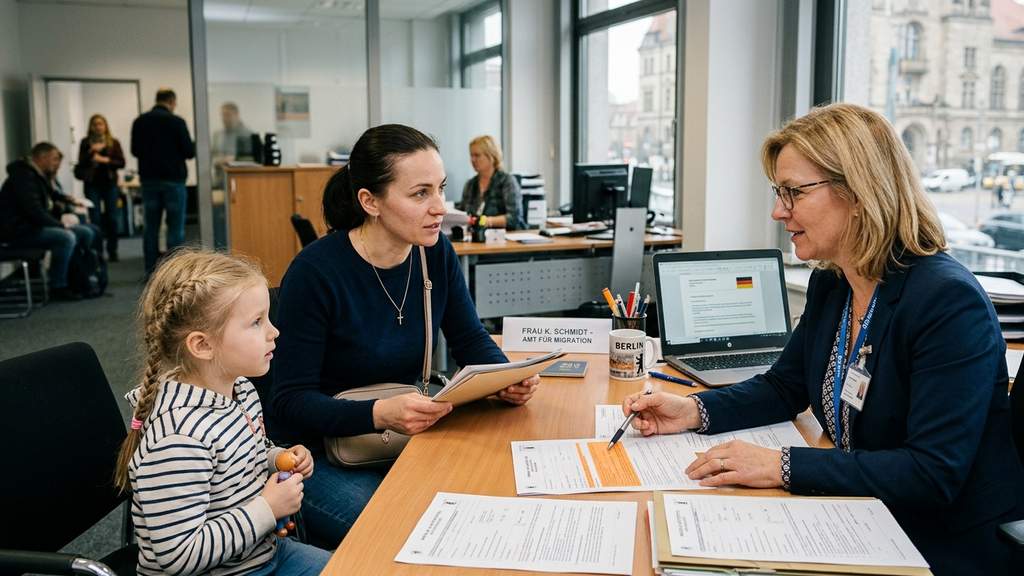

Finding housing in Germany as a Ukrainian refugee involves understanding federal, state, and local systems that work together to provide social support. This guide walks you through the key steps and resources to help you access stable accommodation and other essential benefits efficiently.
Understanding Germany’s Federal Housing Support Framework
The federal government sets the foundation for housing support available to refugees under laws like Asylbewerberleistungsgesetz (AsylbLG) and Sozialgesetzbuch (SGB II/XII). These laws guarantee basic shelter and financial aid to refugees, including Ukrainians protected under the Temporary Protection Directive from the EU.
At this level, you’ll find uniform standards that apply throughout Germany, ensuring your right to social housing assistance. The Federal Office for Migration and Refugees (BAMF) is the central authority managing migration policies, so checking their official site can give you clear insight into eligibility and required documents for housing support.
State-Level Programs: What Berlin and Bavaria Offer
States in Germany have the authority to offer additional housing-related support on top of federal benefits. For example, Berlin provides extensive integration programs that include help with finding suitable housing, language courses, and subsidies for childcare, easing your adjustment.
Bavaria, meanwhile, offers its own set of integration services that might influence how you apply for housing benefits locally. Both states supplement federal aid with localized housing support aimed at providing faster access and better accommodation options depending on your situation.
To make the most of these resources, contact your local state social services office and attend orientation events designed for Ukrainian refugees. These contacts can guide you through application procedures and explain relevant programs.

Municipal Level: Getting Housing Assistance in Berlin
Day-to-day housing support happens at the municipal level, where offices handle your applications and provide direct help. Berlin excels with multilingual staff and close collaboration with NGOs, making it easier to navigate housing options and paperwork.
However, services can vary widely between urban centers and rural areas, where processing takes longer and fewer specialized programs exist. Specific groups like single mothers, people with disabilities, or the elderly may face extra obstacles, so it’s important to seek out tailored support early.
Visit your local social welfare office as soon as possible, and don’t hesitate to ask for language assistance or help from NGOs like Pro Asyl or Diakonie. These organizations have experience helping refugees navigate housing challenges effectively.
Key Steps to Secure Housing as a Ukrainian Refugee
To find housing, prepare the following documents before applying:
- Your passport or official identity document
- Proof of temporary protection status
- Registration certificate showing your current address
- Documents from previous social service applications, if any
- Birth certificates for any children living with you
Knowing important German housing terms will also help you during your search:
- Kaltmiete — the basic rent without utilities
- Warmmiete — rent including heating and other additional costs
- Kaution — security deposit, usually equivalent to 2–3 months’ rent
Overcoming Common Challenges with Housing Applications
Many refugees face hurdles such as lengthy waiting times, paperwork complexity, and limited language support. To tackle these:
- Use digital application options where available to speed up processing.
- Attend informational workshops led by NGOs which help you understand the process and prepare documents correctly.
- Advocate for better communication and services from local authorities, focusing on vulnerable groups needing extra help.
Consistent outreach and trained staff improve how services reach refugee communities, reducing confusion and delays in securing housing.
Where to Get Help Locally in Berlin
If you live in Berlin, several resources can assist you directly with your housing needs:
- Berliner Sozialberatung für Geflüchtete (Berlin Refugee Social Counseling)
- Pro Asyl Berlin branch offers legal and social support
- Diakonie Berlin-Charlottenburg helps with social service applications and integration
You can find your local social service office details and access updated application forms on the official Berlin city website. Staying informed will keep you prepared for each step of the process.
Summary and Encouragement
The journey to find housing in Germany requires understanding federal, state, and municipal systems. While it may feel overwhelming, cities like Berlin provide strong support and helpful organizations to assist you every step of the way.
Keep your documents ready, ask for help when needed, and stay connected with community groups. With these steps, you’ll secure safe housing and gradually build a new life in Germany.
Sources
bamf.de Federal Office for Migration and Refugees,
proasyl.de — Pro Asyl Support,
diakonie.de — Diakonie Germany,
berlin.de — Berlin Municipal Social Services,
bmas.de Federal Ministry of Labour and Social Affairs